IFS Therapy for Miscarriage

Compassionate support after miscarriage, pregnancy loss and baby loss

Experiencing a miscarriage or pregnancy loss can be heartbreaking.

Alongside grief, you may feel shock, sadness, guilt, anger, anxiety or emptiness. Even when the physical recovery is over, the emotional impact can remain, leaving you feeling isolated or misunderstood.

There is no right way to grieve. Every experience is unique, and every emotion is valid. You do not have to face it alone.

heartbreaking effects of miscarriage

IFS Therapy for Miscarriage and Pregnancy Loss

Internal Family Systems (IFS) therapy helps you understand the different parts of you responding to your loss with compassion rather than judgement.

You may notice:

A Grieving Part

Carrying the heartbreak of losing your baby, the pregnancy or the future you had imagined. Grief can come in waves, and you may find yourself mourning both what happened and what could have been.

A Guilty Part

Searching for answers and wondering whether you could have done something differently. You may blame yourself, feel your body has let you down or question your worth, especially if you’ve experienced previous losses.

An Angry Part

Feeling angry at your body, the unfairness of what happened or comments that feel dismissive. You may also find pregnancy announcements or seeing other families brings feelings of anger, resentment or jealousy. These are natural responses to grief, not something to feel ashamed of.

A Protective Part

Trying to help you cope by keeping busy, looking after others or carrying on as though everything is fine. Although it may appear as strength, this part is often protecting you from pain that feels too overwhelming.

An Anxious Part

Worrying about future pregnancies, fertility or experiencing another loss. For some women, miscarriage can also be traumatic, leading to flashbacks or nightmares.

The Younger Parts

Grief can also awaken younger parts of us that perhaps experienced loss, rejection, loneliness or feeling unsupported. These parts might bring up old wounds that need attention and healing.

Miscarriage and Pregnancy Loss in South Asian Women

For many South Asian women, miscarriage can bring additional layers of grief, shame and isolation.

Motherhood is often closely linked to identity, and there can be pressure to have children soon after marriage. Miscarriage may remain a taboo subject, leaving women feeling unable to talk openly about their loss or seek support. There can also be pressure to return to normal or try again before emotional healing has had time to happen.

How IFS therapy for miscarriage can help you grieve

How IFS Therapy Can Help

After miscarriage, different parts of you may have different needs. One part may want to talk about your loss, while another wants to avoid it. One part may feel devastated, while another feels numb.

Rather than seeing these reactions as something to fix, IFS helps you understand them with compassion. Together, we gently explore these parts so they no longer have to carry their burdens alone.

Therapy can help you:

•  Process grief at your own pace

•  Reduce guilt and self-blame

•  Make sense of conflicting emotions

•  Understand anxiety around future pregnancies

•  Support parts carrying sadness, anger or fear

•  Reconnect with yourself with greater compassion

•  Move forward without forgetting your loss

One of the most healing messages IFS offers is this:

Your grief makes sense. There is no right way to grieve, no timeline and no need to hide the messy parts of your experience.

Support After Miscarriage and Pregnancy Loss

If you are struggling after miscarriage, pregnancy loss or baby loss, I offer a free 15-minute consultation to explore how IFS therapy can support you.

Contact me

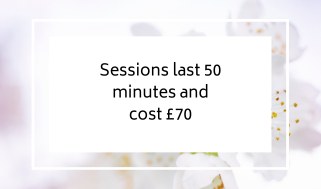
Session fees

About Me

My name is Nabeelah Khan-Cheema and I’m an Internal Family Systems (IFS) therapist. However, before I became a therapist I worked as an Orthoptist (eyes) in the NHS, for over 30 years. So, how did I get from Orthoptics to a career in counselling? Read More…