Therapy for Anxiety

Anxiety is a natural reaction to stress, but when it becomes a constant presence in your life, it can start to feel overwhelming and debilitating.

How Does Anxiety Impact Your Life?

Anxiety

When left unaddressed, anxiety can start to interfere with aspects of your daily life.

Emotional Wellbeing

Anxiety can involve persistent worrying about everyday things, feeling on edge or an overwhelming sense of dread.

Relationships

Increased irritability may lead to more conflict with others. Anxiety can also lead to a feeling of emotional distance, making it difficult to form meaningful connections. Social situations may feel overwhelming, leading you to avoid people, or you may become overly dependent on loved ones for reassurance.

Work

Difficulties in concentration may lead to procrastination or poor performance. Overthinking can make decision-making difficult.

Self-esteem

Ongoing anxiety can erode your confidence and self-esteem. It can fuel self-critical thoughts and prevent you from taking risks due to the fear of not being good enough or failing.

Physical Health

Anxiety can produce a lot of physical symptoms such as butterflies in your stomach, muscle tension, racing heart or dizziness. You may feel constantly exhausted or have trouble sleeping.

How Therapy for Anxiety Can Help

Therapy for anxiety can be helpful in various ways. Often anxiety comes with a feeling that the world is not a safe place, and so the safety of the counselling space can be healing in itself. It can give you the opportunity to feel less burdened by sharing your anxious thoughts.

A helpful first step is to identify how anxiety is impacting your daily life and explore the underlying causes and triggers.

The physical symptoms, mentioned above, stem from our ‘fight or flight response,’ which is an automatic response to danger. In therapy we can gain an understanding of the role of the nervous system and how we can use this information to slow down the physical response that causes anxiety.

I also offer Internal Family Systems (IFS) therapy. This can help by identifying and working with the different parts of you that may be fuelling anxiety, such as an inner critic or a fearful part, so you can respond to life’s challenges from a calmer, more grounded place.

Cognitive Behavioural Therapy (CBT) based techniques can also help you break out of the cycle of negative thoughts.

We could also use strategies such as breathwork, grounding exercise, mindfulness and relaxation techniques.

My goal is to equip you with practical tools and insights that can help you reduce anxiety in your day-to-day life. Each session is tailored to your individual needs, ensuring that our work together helps you manage your anxiety more effectively.

I also offer culturally sensitive counselling for South Asian women and can help you explore how cultural pressures and expectations may contribute to your anxiety.

Contact Me

If you have not had counselling before you may be worried about what the process will be like. For information on what to do next and what the first session involves, click here.

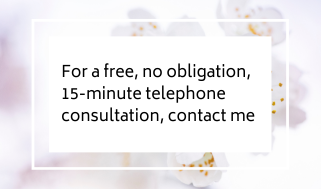
If you would like to have a chat about your concerns or have any questions, please contact me to book a free 15-minute phone consultation.

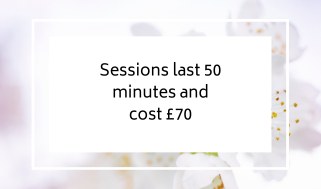
Session fees

About Me

My name is Nabeelah Khan-Cheema and I’m a counsellor and IFS therapist. However, before I became a therapist I worked as an Orthoptist (eyes) in the NHS, for over 30 years. So, how did I get from Orthoptics to a career in counselling? Read More…