Therapy for Self-Esteem

Low self-esteem often manifests as a persistent feeling of inadequacy, self-doubt, or believing that you’re “not good enough.” It can be the main reason for seeking therapy or an underlying factor contributing to other challenges like anxiety, depression, or relationship difficulties.

How Does Low Self-Esteem Affect You?

Low self-esteem can have a profound impact on your life, affecting your relationships, career, and overall well-being.

Some of the signs you may be experiencing:

◊ Not liking or valuing yourself.

◊ Being self-critical and hard on yourself.

◊ Doubting yourself and finding it difficult to make decisions.

◊ Avoiding challenges due to fear of failure.

◊ Trying to be perfect.

◊ Finding difficulty in asserting yourself.

◊ Focusing on your weaknesses.

◊ Being eager to please-prioritising others’ needs and feelings.

◊ Comparing yourself negatively to others.

◊ Feeling overly upset by any criticism, disapproval, or negative feedback.

◊ Blaming yourself unfairly.

◊ Apologising a lot.

◊ Feeling self-conscious.

◊ Hiding your true self behind a mask.

What are the Causes of Low Self-Esteem?

Often your opinion of yourself is built in your early years and so you may have lived with low self-esteem for a long time. Abusive or bullying experiences, having disapproving authority figures or being criticised a lot in childhood, can all lead to forming an opinion that you are ‘not good enough.’

Sometimes it may be present day events such as ongoing stress, bereavement, losing your job, physical or mental health problems or connected to a particular relationship.

For women going through the menopause, the combination of the physical and emotional symptoms can affect your sense of self and identity, leaving you feeling less attractive and less valued in society.

The media can also have a powerful impact on your self-esteem. Pressures to conform to specific standards of beauty can lead to feelings of shame and inadequacy.

Cultural and familial expectations can also impact self-esteem. For South Asian women, traditional beliefs can clash with personal aspirations, leaving women feeling like they are not meeting the expectations placed on them by family or society. This cultural pressure can deepen insecurities, particularly around decisions regarding career, relationships, or physical appearance.

How Therapy for Self-Esteem Can Help

As an integrative therapist, I use a range of different approaches to help you.

♦ Firstly, I try to understand how you have been impacted by low self-esteem, where your opinion of yourself comes from, and what you would like to change. Once you have a better understanding of yourself, you can start taking steps towards building your self-esteem.

♦ With Internal Family Systems (IFS) we can work with the parts of you that have internalised criticism or comparison, helping you reconnect with your confident, compassionate core self.

♦ Cognitive Behavioural Therapy (CBT) based techniques can also help you notice and change patterns of negative thinking.

♦ Counselling can help you become more assertive and say “no” without feeling guilty.

♦ We can also work towards helping you challenge yourself and try new things, step up your self-care and build a support network.

♦ Therapy can also help you work towards developing a healthier body image, by replacing critical self-talk with compassion and letting go of the ‘compare and despair’ thinking style.

♦ By offering culturally sensitive counselling, I can also help South Asian women explore how cultural norms have shaped your self-esteem and start to redefine your sense of worth on your own terms, rather than those imposed by others.

If you have struggled with low self-esteem for a long time, building it up can be a long process, but taking small steps can lead to a life where you feel more confident, fulfilled and no longer feel the need to hide your authentic self behind a mask.

Contact Me

If you have not had therapy before and have concerns about what the process will be like, please click here for information on what to do next and what the first session involves.

If you would like more information about how I can help, please contact me to arrange a free 15-minute phone consultation.

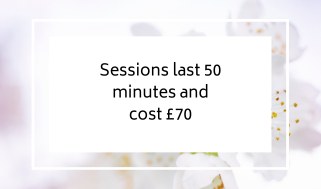
Session fees

About Me

My name is Nabeelah Khan-Cheema and I’m a counsellor and IFS therapist. However, before I became a therapist I worked as an Orthoptist (eyes) in the NHS, for over 30 years. So, how did I get from Orthoptics to a career in counselling? Read More…