Therapy for Miscarriage

Miscarriage is a deeply personal and often silent grief that affects many women and their families. Every woman’s experience is unique, and coping with this loss can be incredibly challenging.

The Emotional Impact of Miscarriage

Emotional impact of miscarriage

Miscarriage can bring up a wide range of emotions:

Grief and Sadness

Mourning the loss of a pregnancy and the hopes attached to it can be profound and devastating. It may feel different to other grief, as unlike the loss of a loved one, there is nothing tangible to grieve. Instead, you are grieving for the loss of a future, expectations, the unrealised potential of who the baby could have been.

Guilt and Self-Blame

Often not knowing why you had a miscarriage can result in questioning your own responsibility, feeling like it’s your fault and wondering if you could have done something differently. You may also feel like your body has let you down or that something is wrong with you. This can affect how you see yourself, thinking you are not a worthwhile person unless you have a baby, particularly if you have had a previous miscarriage.

Isolation and Loneliness

You may have lots of people around you but if none of them seem to understand the depth of your experience, you can feel disconnected and alone. If you hadn’t told people you were pregnant, it can be difficult to bring up a conversation when people don’t know. And if you have experienced multiple miscarriages, you may be reluctant to talk about it for fear of boring people or making them feel awkward. Another issue may be feeling physically isolated as you may not want to go out to see family or friends, as well as not wanting to see pregnant women or children. This might mean that you miss out on getting the support you need, ending up feeling trapped in your own personal grief.

Anger and Frustration

Comments from well-meaning friends, family or even your partner can seem insensitive and make you feel angry and more upset. You may find it difficult to be happy for others who are pregnant or just had a baby, resulting in feelings of jealousy or anger, and then disliking yourself for having these feelings. Even social media posts about motherhood and pregnancy could make you feel angry about how unfair it is that it’s so easy for other women.

Anxiety and Fear

After your miscarriage, you may have difficulty managing everyday stressors. You may worry about conceiving again and whether you will ever have children. For some women, the physical process of going through a miscarriage can be so traumatic that it could lead to Post Traumatic Stress Disorder (PTSD), resulting in having flashbacks or nightmares about what happened.

Miscarriage in South Asian Communities

In South Asian communities, miscarriage can carry additional layers of emotional complexity due to cultural expectations and stigmas around pregnancy.

South Asian women’s identities are often rooted in marriage and motherhood. Women face immense pressure to have a child soon after marriage and if she is not able to fulfil this expectation, it can lead to shame and guilt and have a huge impact on her identity, self-esteem and value.

Miscarriage is often a taboo subject that is not openly spoken about. It may carry a stigma of embarrassment, being told ‘not to tell anyone’, which can leave women feeling further isolated.

South Asian women may also feel pressure to return to ‘normal’ or to conceive again quickly, preventing adequate time for physical and psychological healing.

How therapy for miscarriage can help

How Therapy for Miscarriage Can Help?

♦ The silence about miscarriage reinforces a woman’s sense that this is indeed something to be ashamed of and should not be shared with others. This is where counselling can be helpful. It can provide a compassionate space to process your feelings, find support and begin healing. Counselling can help you to reach a greater understanding and recognition of what the loss actually means to you.

♦ In therapy you are free to express all your feelings, knowing that you will not be judged. It might not feel okay to have emotions such as anger or jealousy. You might feel like a horrible person, but counselling can be a safe space to talk about them.

♦ Many women feel they can’t overburden family and friends with their grief. Counselling offers companionship through your grief, helping you feel less alone and more supported as you cope with the loss.

♦ The emotional impact of miscarriage can be profound because it can be connected to a woman’s sense of identity and self-esteem. Therapy can help you understand and release any misplaced blame or guilt, creating space for compassion and self-acceptance.

♦ It can also help to process your fears or anxieties about future pregnancies and build resilience and emotional strength.

♦ Your relationship may also be affected by your loss. Counselling can help you to understand and process your feelings and work towards communicating more effectively.

Culturally sensitive counselling also offers South Asian women a space to process their grief and complex emotions surrounding miscarriage, whilst also honouring your cultural values

Contact Me

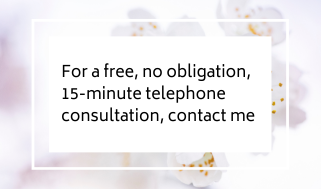
If you would like more information about how I can help, please contact me to arrange a free 15-minute phone consultation.

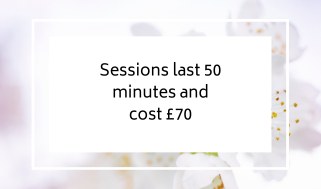
Session fees

About Me

My name is Nabeelah Khan-Cheema and I’m a counsellor and IFS therapist. However, before I became a therapist I worked as an Orthoptist (eyes) in the NHS, for over 30 years. So, how did I get from Orthoptics to a career in counselling? Read More…