Internal Family Sysytems (IFS)

What is Internal Family Systems (IFS)?

Internal Family Systems (IFS) is an evidence-based form of therapy that helps you understand and heal your inner world. It’s based on the idea that we all have different “parts” within us; like an inner critic, parts that hold sadness or shame, or parts that engage in self-destructive behaviours.

These parts form an internal system, like a family, that’s trying to help you survive and adapt. Sometimes they work together, but often they’re in conflict. For example, one part might push you to succeed, while another just wants to rest.

IFS helps you tune in to these parts with compassion rather than judgment. By exploring their roles and needs, you can understand why they do what they do and give them the opportunity to change.

The ‘SELF”

The Self in Ifs is like the sun always there

At the centre of the IFS model is the Self.” This is your calm, wise, and compassionate core. IFS believes that your Self is always there and cannot be damaged, no matter what you’ve been through.

Think of your true Self like the sun, always there, shining brightly. Over time, life experiences create clouds: protective or wounded parts that block the sun. IFS helps you gently meet and understand these parts, so they can begin to soften, allowing more of your true Self to shine through.

Example: The People Pleasing Part

As a child, you may have had a parent who was often angry. In that environment, you may have developed a people pleasing part that prioritised keeping the peace. This part served a vital role during childhood as it protected you from punishment, rejection or neglect.

However, this part may still be active as you become an adult, resulting in saying yes when you want to say no, putting others first, and avoiding conflict. As a result, it is keeping you stuck in patterns that no longer serve you.

In IFS therapy, we don’t try to “fix” this people pleasing part. Instead, we help that younger version of you let go of the belief that it must constantly seek approval to be worthy. And therefore enabling you to become less driven by fear and more grounded in choice.

How IFS helps to heal

What Can IFS Help With?

IFS can support a wide range of emotional and psychological challenges, including:

Anxiety, panic, and overthinking

♦ Body image issues

♦ Burnout, people-pleasing, or perfectionism

Depression

♦ Grief and loss

Low self-worth and shame

♦ Relationship challenges and boundary issues

♦ Trauma and childhood wounds

Even if you don’t identify with a specific diagnosis, IFS can help you make sense of inner conflict, deepen self-understanding, and move toward lasting emotional growth.

How IFS Helps with Cultural and Legacy Burdens

cultural and legacy burdens in IFS

For many South Asian women, inner conflict can come from more than just personal experiences—it’s also shaped by cultural expectations and generational beliefs. These are known in IFS as legacy burdens.

These beliefs are often absorbed in childhood, through family dynamics, religion, generations of trauma, migration, or cultural pressure.  They may not have been directly said but were deeply felt. And while they were meant to protect or uphold family honour, they can lead to parts of you feeling silenced, pressured, or ashamed for wanting something different.

In IFS, we help you explore which parts of you have taken on these inherited messages.

IFS offers a respectful and healing space to:

♦ Honour your family and cultural values without losing yourself

♦ Understand how inherited roles and beliefs are shaping your life

♦ Release burdens that no longer serve you

♦ Reconnect with your own voice, choices, and truth

IFS helps you reclaim your identity while staying rooted in what matters most to you.

Contact Me

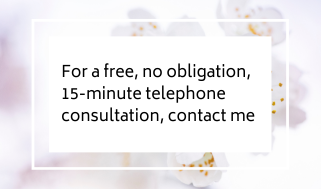
If you have any questions about IFS or would like to explore working together, please contact me.  I offer a free 15-minute initial call.


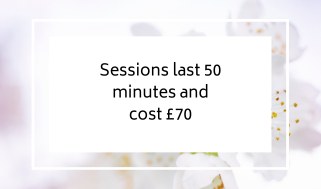
Session fees

About Me

My name is Nabeelah Khan-Cheema and I’m a counsellor and IFS therapist. However, before I became a therapist I worked as an Orthoptist (eyes) in the NHS, for over 30 years. So, how did I get from Orthoptics to a career in counselling? Read More…